Showing posts with label Environment As Third Teacher. Show all posts

Thursday, 31 August 2017

The Importance of the Learning Environment in Education


(The Kindergarten Program, 2016)   


This will mark my fourth year being in the same classroom. It's a small space but over time it has evolved with the support and input of the children. It is inviting and enticing, provides flow, allows for large group, small group, and independent learning, and the materials are stored and placed in ways that promote independence and self-regulation. But with all that said, I also like to add a bit of change at the start of every school year. I browse books, resources, and photographs for inspiration on various layouts and set-ups of learning environments and there are so many amazing ideas, but as you know, what works for one space doesn't necessarily work for another. 

One thing that has helped me immensely when I struggle in the type of change to make is to re-read excerpts from "The Kindergarten Program" and the resource "How Does Learning Happen?". These two resources brings it all back to basics and highlights important aspects of setting up a learning environment that acts like the third teacher.


Below are a few key points from both resources which I found to be very informative when contemplating the set-up and creation of a learning environment. Sometimes we can become caught up in the aesthetics and forget about function. Questioning what is most important and what is the purpose is critical and can really help with decision making and keeping one focused on the main goal which is to develop an environment that promotes learning. I have attached some photos of my new classroom set up for September with some explanations for my rationale.

 (How Does Learning Happen?, 2014)

 Materials to start the year at the Light Table Area.

Materials to start the year at the Construction Area.

(The Kindergarten Program, 2016)   


Sand Table Area


Light Table Area


Art Studio Area


Discover Area


Math Area


Reading and Calming Area

Simple and Inviting Open Ended Provocations


Addressing self awareness.


A bit of fine motor challenge using the chopsticks to pick up cubes or thimbles to build a tower using discs and/or tongue compressors. As children build their tower, comparing the size and/or counting the discs used allows for an element of math.


Using tongues to select magnetic letters that match the magnetic board.


Building a structure on a mirror surface allows for another dimension to be explored. A semi-sphere can become a sphere when seen using the mirror! Animals and wooden numbers were also added to explore the creation of storytelling.

 
(The Kindergarten Program, 2016)   


Construction Area


Math Area
Blank walls and open ended materials at the beginning of the school year allows for the children's input and support in co-creating the learning environment.


 (The Kindergarten Program, 2016)   


A new Dramatic Arts Area in our classroom! It may seem obvious as to how the children will engage in this space, but while observing the children in play, various strong interests arise which guide the educator in further supporting the children's interest by adding specific materials and dialogue to encourage learning at a deeper level. I like to think of learning spaces as living creatures that constantly need attention as the children interact with it.

Overall Curriculum Expectations

The overall curriculum expectations can be found in many learning areas in the classroom environment! As you read through them scroll back up and view the photos to get a better perspective.

(Twitter: @Kelly_M_Wright)   

I hope to create another blog post in a few months to demonstrate the changes that took place once the children placed their mark on their learning environment. 

Have a great year!


Saturday, 28 November 2015

The co-creation of our "Classroom Alphabet"


It can sometimes be challenging to know what to keep on display to honour the past work of children, but also involve the new children in creating new experiences and connections with their classmates and classroom environment. Since no one was really noticing or interacting with last year's alphabet wall, I felt perhaps we needed to co-create a new one based on the current children's ideas and interests. 

I had a conversation with the children and we all agreed we wanted to make a new alphabet to place on the wall that would involve our new friends. The alphabet that was made the previous year (From line to letters...the co-construction of our Alphabet Wall) was taken down and placed in a basket for the children to still have access to and use if they needed. 


Why should we have an alphabet wall?

"So everyone the start of the letter of their name." Z. G.

"So everyone knows their ABC's song." K. C.

"Some letters are short and some letters are tall." A. J.

"We need to know our letters." J. B.

"So you know how to write!" L. B.

"Some people don't know how to write the letters and they need to know the sounds." J. K.

"You can know the letters in your name." S. F.

"Sometimes you don't know what comes after a letter. This would help." G. S.

"So people know the letters of our name." M. N.

During this conversation, I told the children that I would write down the letters of the alphabet on the chart paper and maybe they could think of some things that represented each letter. 

Among the things suggested were the names of the children in the class and items that were found in our classroom. 

"We can have a classroom alphabet!" Z. G. 

Below are some of the ideas the children mentioned. 
*I apologize for any incorrect spelling of words. I'm trying to record their quick conversations!


Once we had enough ideas for each letter the children decided to do a tally to figure out what to take pictures of.


This project was very timely in that we just received a new iPad Mini for our classroom. When discussing how we wanted to display our alphabet, I asked the children if they wanted to use the new iPad Mini and take photographs of the things they suggested? 

The children were very excited to use this technology. They used the camera on the iPad Mini to take photographs and then they learned how to use the app called Pic Collage to insert the photographs they took and type text over top. 

Pic Collage


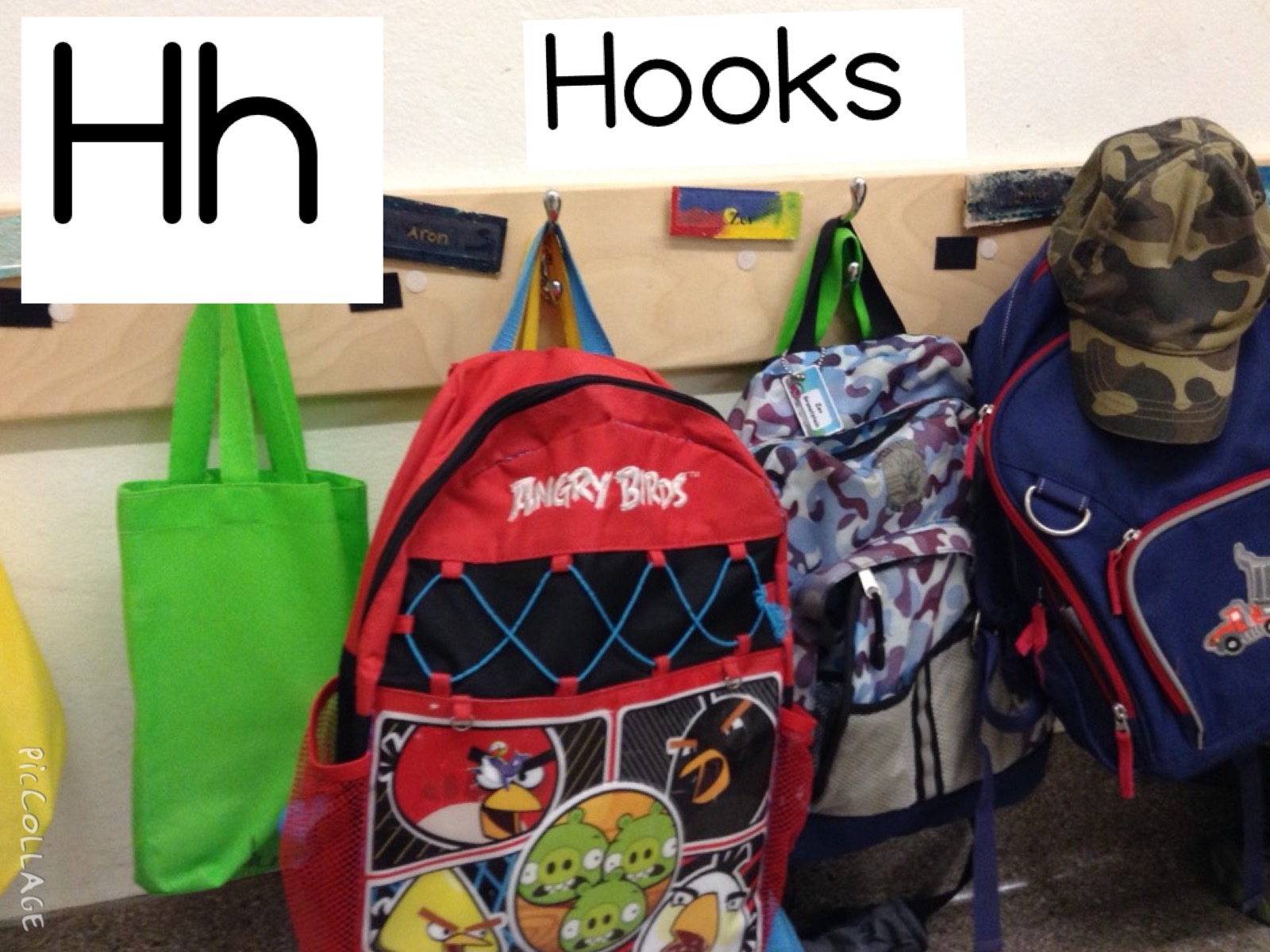
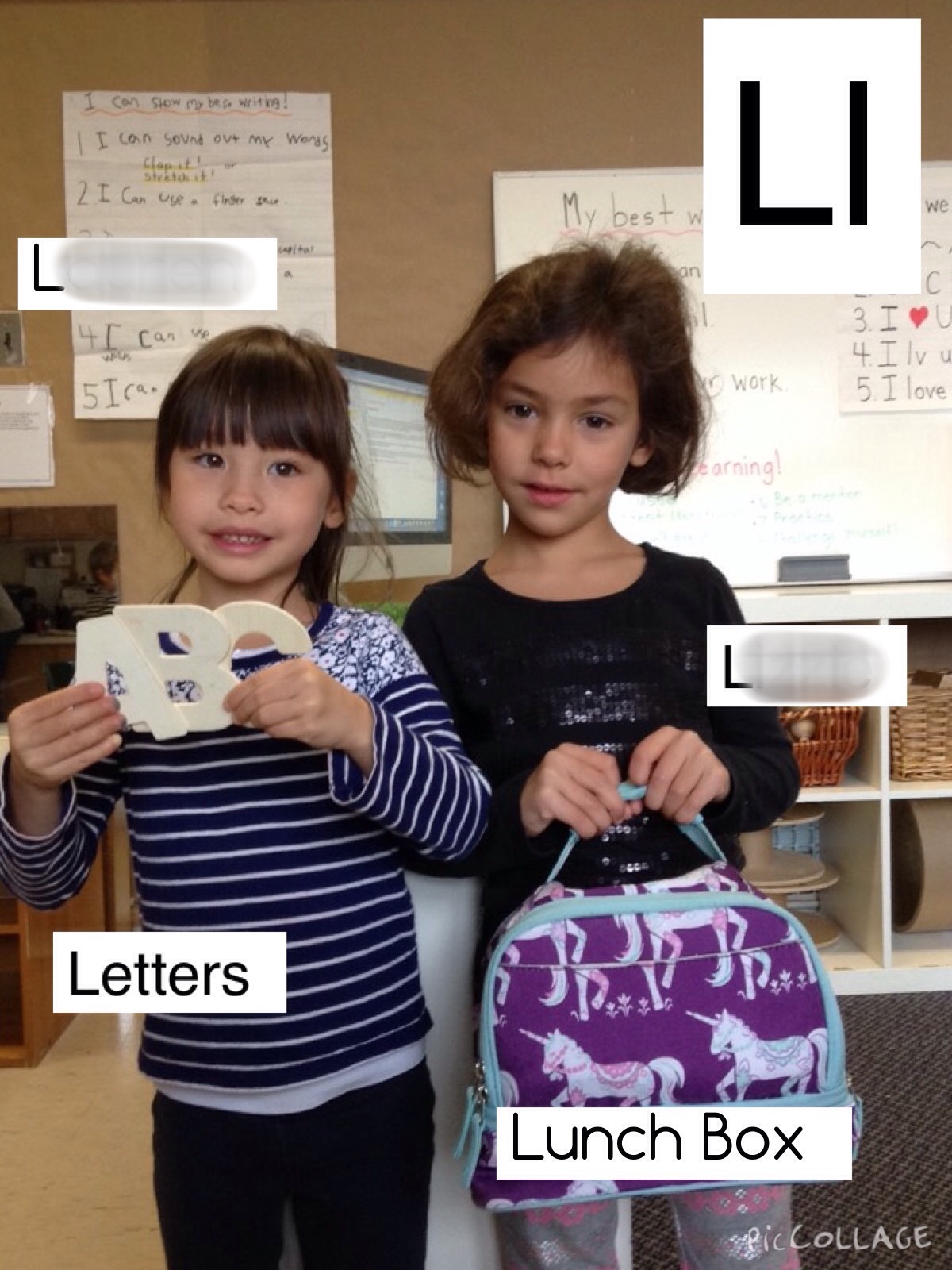
The finished classroom alphabet:


We are already using this new alphabet as a resource to support letter identification and other writing activities. Knowing their classroom environment, their peers, and having had the opportunity to create this resource, further supports their learning through the connection and ownership of this authentic experience.