With all that said, I have to admit that once I tried to use the template it did become overwhelming in trying to stay on top of the documentation. I found I took a multitude of photos and struggled with how many of them to place in the template. I also didn't find a technological application that I felt comfortable using. Some were too cumbersome and took me a long time to fill in each template. This year I think I may have found a happy medium.
I updated the template slightly to reflect the four frames in the new kindergarten curriculum. I also discovered that using the template as a background in the PicCollage application program allowed me to easily place photos into the template and type in the verbatim. I'm sure this method is widely known about, but I just stumbled on it myself and it seems to work pretty well for me.
Below is a partially complete template done in PicCollage. I prefer to print out the templates and circle by hand for the context, social context, support, and links to curriculum information. I found it quite tedious doing it in PicCollage, though it can be done.

For the months of September and October, I printed out the templates containing only the photos and hand wrote the verbatim using my own observation notes and/or the information obtained from conferencing with the children involved. In the next month and ongoing, I hope to experiment with completing the templates on the spot as the children are sharing their work with myself or the whole group. I think this will simplify things from me having to jot down notes and compile them at a later time. I do like that the children can re-visit their work with me during the conferencing and I may look into how they can start to complete a few templates with support using the PicCollage application or by hand. But this will be taken on down the road once I get into a good groove myself.
To make this manageable I plan to hopefully create one or two templates per month per child to place into their portfolio. You can create folders on your computer to keep track or use a check list each month to make sure you have accounted for each child. When viewing some of the templates below, you will notice that a template may include a photo of a group of children working together. In this case I will place the same template in each of the children's portfolios with a similar description as they were collaboratively working on the same creation. I was already taking many photos each month but they didn't always have the context to go along with them. I am hoping that this simple template will provide this for families.
At the front of each child's portfolio I have placed a copy of the kindergarten overall expectations chart (below) so that families, etc., can make reference to the completed templates.

(Credit Twitter: @kelly_M_Wright)
Lastly, I am aware of the expense in printing out so many templates even if only one per child per month. It still can add up for the ten months of school year. I agree that colour does look great but perhaps black and white is a good start and still allows for the showcasing of learning. The photos are also not very large as they have to fit into the template. I do not have all the answers of how this can work for you. I am simply trying to provide you with my example of how I am trying to make it work for me. I am sure there are many wonderful and different ways that educators are showcasing the children's learning if they are using portfolios. Every education setting and educator is unique and we all have different comfort levels. I hope that this at the very least provides you with an idea of how it can look.
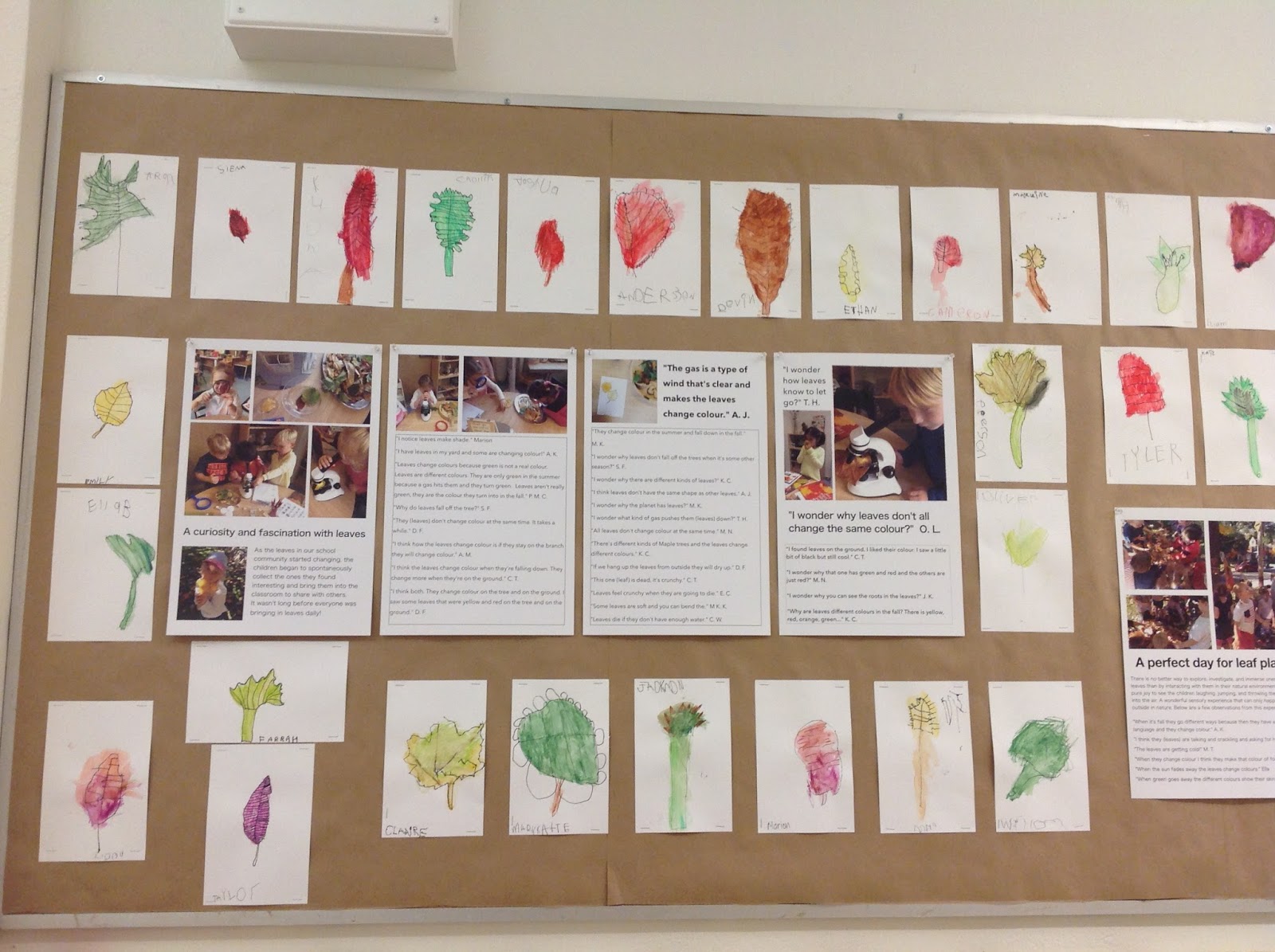
Below are a few templates showcasing the learning that has taken place during the first month and a half together. Again, only the photos are present as the templates were filled out manually.


Thanks for taking the time to view our learning. If you have any questions or comments about this process I will try my best to answer them based on my experience.